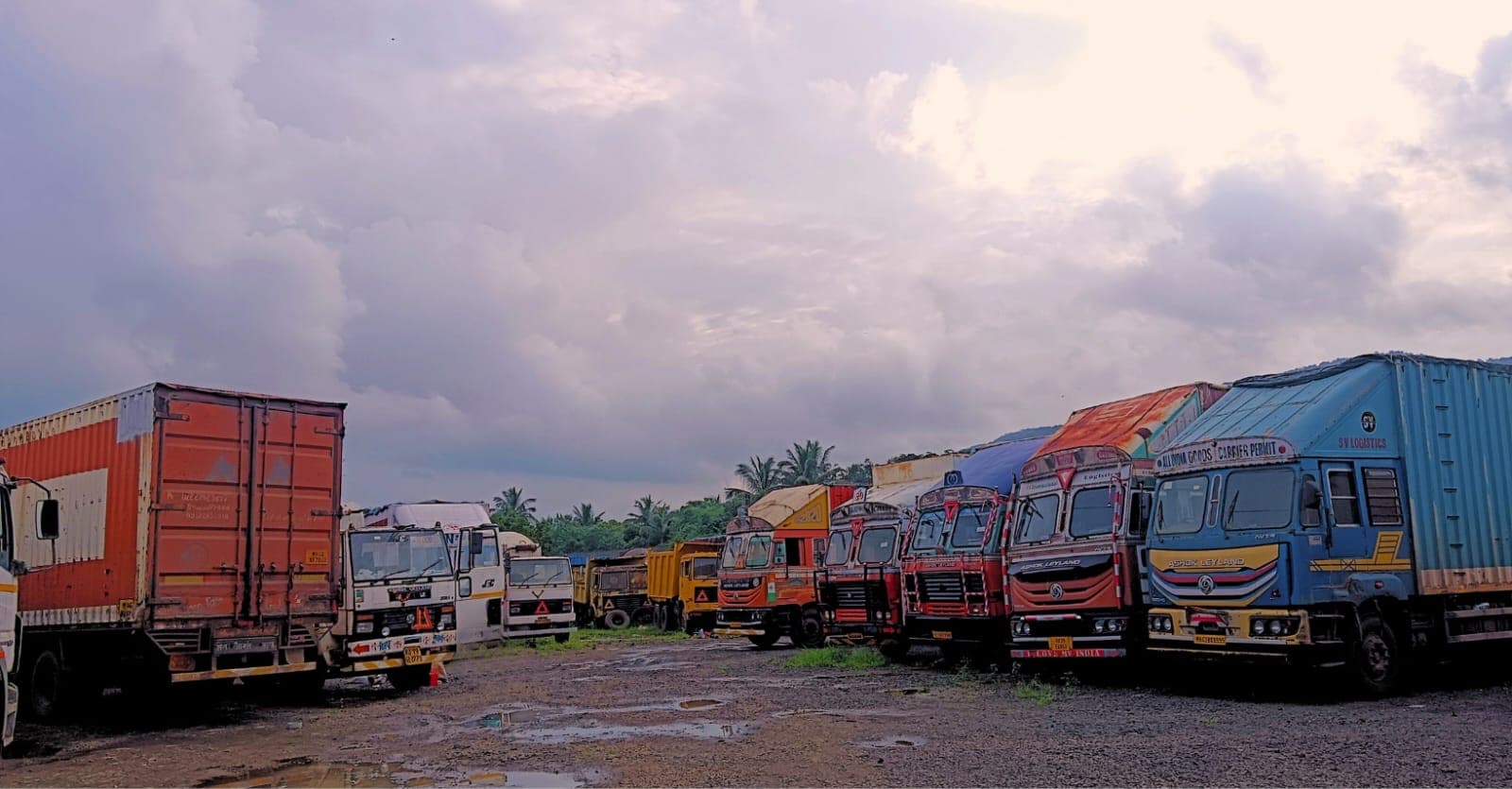
Used Tipper vs Trailer vs Container: Choosing the Right Body Type
When you buy used trucks, body type matters as much as brand. A used tipper has a hydraulically tilting bed for loose materials like sand or gravel. A trailer is hitched for the heaviest long-haul cargo. A used container truck is fully enclosed for weather and theft protection on regular delivery routes. The right second hand commercial vehicle depends on what you move and how you unload, not which option sounds "bigger."
Used Tipper, Built for One-Motion Unloading
A tipper's defining feature is its hydraulically tilting bed, which raises to dump loose material without any manual unloading labor. This makes it the standard choice for construction sites, mining material, sand and gravel supply, and demolition debris, anywhere the cargo is loose, heavy, and needs to come out fast.
Tippers come in a few configurations: rear tippers, where the bed tilts backward; side tippers, which unload left or right; and three-way tippers, which can tip in multiple directions. The hydraulic system is the single most important thing to understand about a tipper, it's also one of the most expensive things to repair if it fails, which is why tipper-specific inspection matters when buying used.
Trailer, Built for Maximum Long-Haul Capacity
A trailer is a separate, unpowered unit that hitches to a truck tractor, meaning the engine and cargo unit are two different pieces that can be swapped independently. This is what makes trailers the standard for genuinely heavy, long-distance freight: steel coils, industrial machinery, shipping containers, and other cargo where weight and distance both matter.
Trailers come in multiple variants, flatbeds, tankers, and container trailers, each suited to a different cargo type. The core advantage over a fixed-body truck is flexibility: the same tractor can pull different trailer types depending on the job, without needing a completely different powered vehicle for each cargo type.
Container, Built for Protecting Cargo
A container body is fully enclosed on all sides, creating a weather-resistant environment that protects goods from rain, dust, and direct sunlight during transit. This is the standard choice for textiles, electronics, packaged goods, and FMCG, anything where product condition on arrival matters as much as getting it there at all.
Unlike tippers and trailers, a container's main value isn't about unloading speed or raw capacity, it's about protection and security over the length of the journey, which matters most on longer, multi-day routes or for higher-value cargo.
How to Actually Choose
- Loose, heavy material that needs fast unloading, sand, gravel, debris, or mining material → Tipper
- Genuinely heavy, long-distance freight, steel, machinery, or bulk industrial cargo → Trailer
- Packaged, weather-sensitive, or higher-value goods on regular routes, FMCG, electronics, textiles, courier, or e-commerce → Container
Many established transport businesses eventually run a mix, a tipper for construction-site work and a container for regular delivery routes, because different parts of the business genuinely need different body types. Trying to make one body type do every job is usually where buyers end up over- or under-equipped for the work in front of them.
Frequently Asked Questions
What’s next from BiggWheels?
We’re lining up deep dives on financing strategies and PAN India route operations. Bookmark this space or join our WhatsApp community to get early access.
Ready to talk trucks?
Ping us on WhatsApp for paper-verified inventory, finance options, and quick handovers.