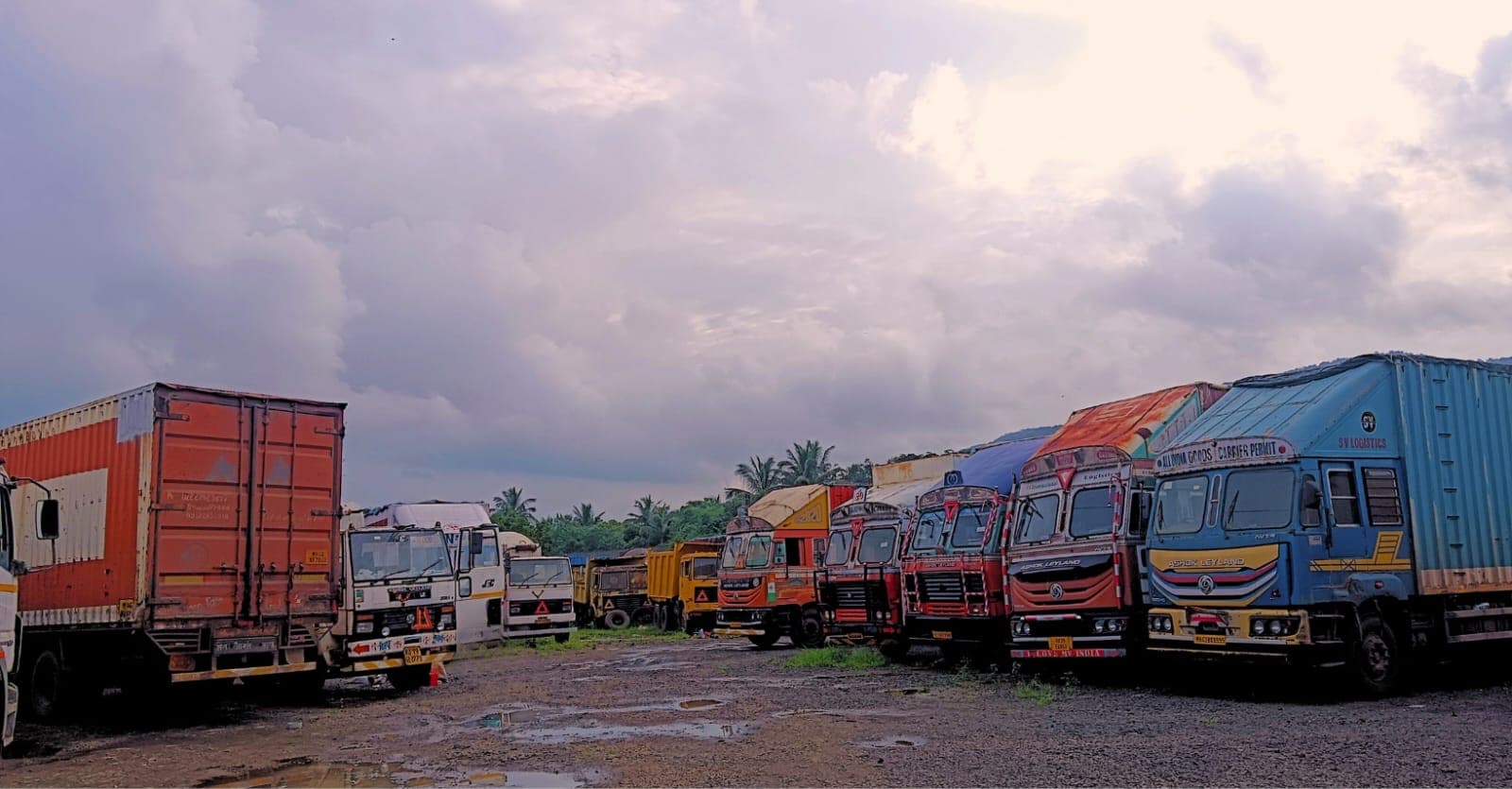
SXL vs MXL Used Container Truck: Single Axle vs Multi Axle
A 32-foot SXL (Single Axle) container truck runs on 6 wheels and carries approximately 7 to 9 tons, while a 32-foot MXL (Multi Axle) container truck runs on 10 wheels and carries approximately 15 to 18 tons. The choice between them isn't about which is "better", it's about matching capacity to your actual cargo. Volume-driven, moderate-weight cargo suits SXL's better efficiency; genuinely heavy, dense cargo needs MXL's higher payload capacity. Exact legal payload depends on the specific vehicle's registered GVW and configuration, so verify the RC before purchase.
The Core Numbers
- SXL (Single Axle): 6 wheels, approximately 7 to 9 tons payload in a 32-foot body; best for volume-driven, moderate-weight cargo
- MXL (Multi Axle): 10 wheels, approximately 15 to 18 tons payload in a 32-foot body; best for heavy, dense cargo
Why SXL Wins on Efficiency
A lighter, 6-wheel single axle configuration carries less unladen weight than its multi-axle counterpart. On long routes, this translates directly into better fuel mileage, a meaningful factor when diesel is one of the largest recurring costs in running a transport business. The lighter build also means lower tyre wear and generally simpler maintenance, which keeps the vehicle earning more days per month instead of sitting in a workshop.
This is why SXL tends to be the preferred choice for courier, e-commerce, and white goods transport, cargo that needs container volume more than raw tonnage.
Why MXL Wins on Capacity
When your cargo is genuinely heavy and dense, not just bulky, SXL's payload ceiling becomes a real limitation. MXL's roughly double payload capacity means fewer trips for the same total tonnage, which matters enormously for businesses moving construction material, heavy machinery, or dense industrial cargo where weight, not volume, is the binding constraint.
The trade-off is straightforward: MXL carries more per trip, but at a mileage and maintenance cost premium compared to SXL.
Cost Differences Beyond the Sticker Price
- Fuel: MXL's heavier build and typically higher-output engine mean lower mileage than SXL, all else equal
- Tyres: more wheels means more tyres to replace over the vehicle's life, a real recurring cost difference
- Maintenance: a heavier, more complex multi-axle configuration generally costs more to maintain than a simpler single-axle setup
- Resale: demand varies by region and local cargo patterns, so check which configuration is in demand where you operate
Which One Fits Your Business
Ask what's actually filling your container: if it's boxes, packages, or bulky-but-light items like white goods, SXL's volume-focused efficiency almost certainly wins on total economics. If it's dense, heavy material where you're hitting weight limits before you run out of space, MXL's extra capacity pays for its higher running cost through fewer trips.
The mistake to avoid is choosing based on which sounds more capable rather than what your actual cargo requires, an MXL sitting mostly empty by volume, but at MXL fuel and maintenance costs, is a worse economic decision than a well-matched SXL.
Frequently Asked Questions
What’s next from BiggWheels?
We’re lining up deep dives on financing strategies and PAN India route operations. Bookmark this space or join our WhatsApp community to get early access.
Ready to talk trucks?
Ping us on WhatsApp for paper-verified inventory, finance options, and quick handovers.