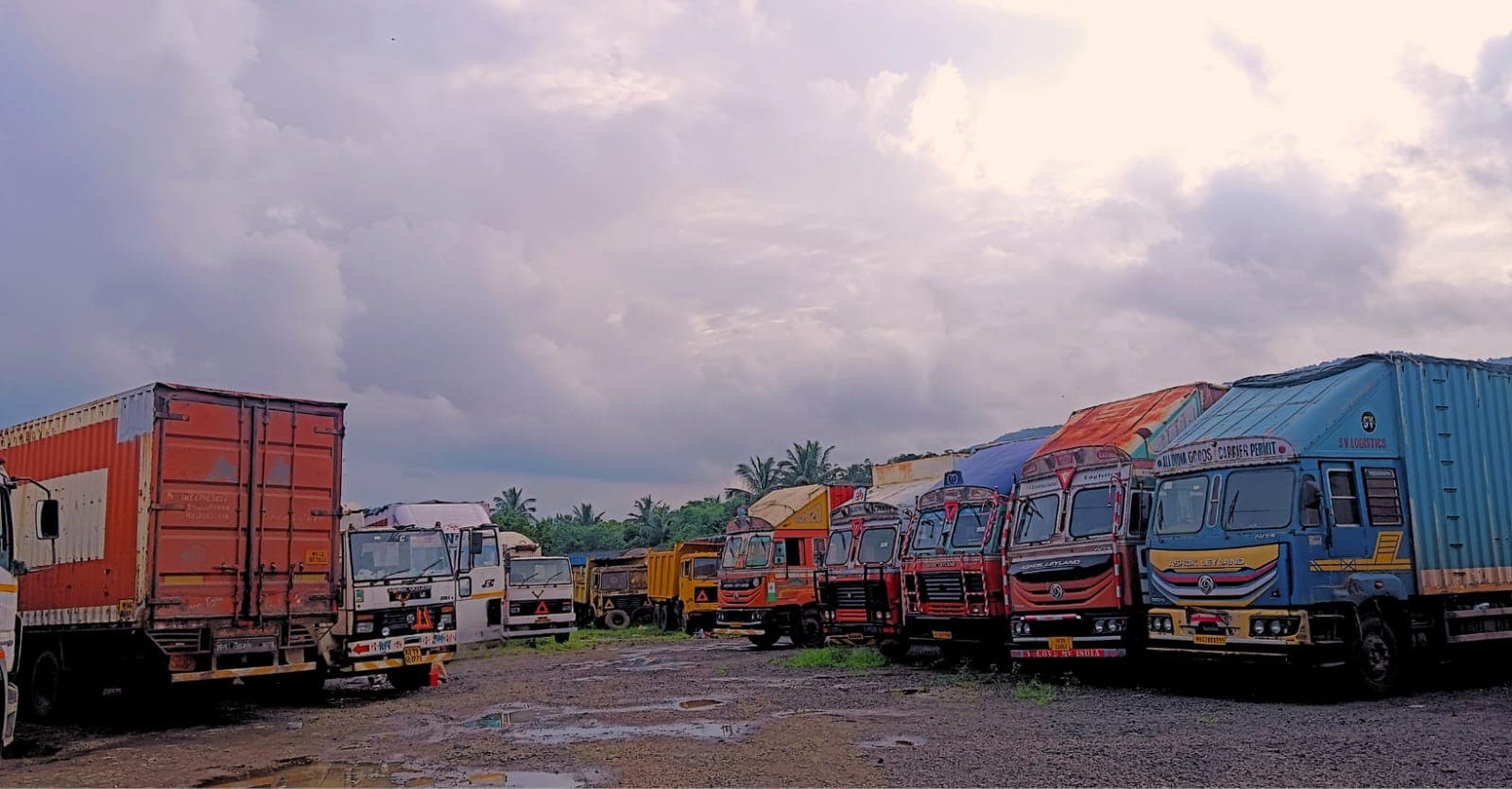
From One Truck to Five: A Practical Roadmap for Fleet Expansion
Most failed fleet expansions don't fail from moving too slowly, they fail from adding trucks faster than cash flow and management capacity can support. A realistic path from one truck to five treats each new vehicle as a decision that needs to be earned by the previous one's proven performance, not funded by optimism about future earnings. This means proving profitability at each stage before scaling to the next, not front-loading growth and hoping the numbers catch up.
Why Most Fleet Growth Fails
The common failure pattern isn't dramatic, it's a slow financial squeeze. An owner adds a second or third truck based on how well the business feels like it's doing, without confirming the first truck's real net profitability after every cost is accounted for. Multiple trucks then compete for the same limited attention and cash reserves, and a single bad month, a breakdown, a slow-paying client, or an unexpected repair, cascades across the whole fleet instead of being absorbed by one vehicle's buffer.
The One-Truck Foundation
Before thinking about truck two, get real clarity on truck one's actual numbers: net monthly income after fuel, maintenance, EMI, and all compliance costs such as fitness, permit, and insurance. Not the gross revenue, the real number left over. This isn't just accounting hygiene; it's the actual evidence of whether your business model works before you multiply it.
Truck Two, Proving It Wasn't Luck
The second truck is where many owners get the sequencing wrong. It should be funded primarily by truck one's proven, sustained profitability, not by stretching finance further than the first truck's real numbers justify. If truck one only became profitable after several months of route optimization and cost discipline, truck two should wait until that discipline is proven repeatable, not be rushed in during month two on assumed momentum.
This truck also tests something else: can you manage two moving pieces, two drivers, two maintenance schedules, and two sets of compliance renewals, without either one slipping? This is a genuinely different skill from running one truck well.
Trucks Three Through Five, Where Systems Start to Matter
By the third truck, informal tracking through a notebook, memory, or WhatsApp messages starts to break down. This is the point where basic systems, even a simple spreadsheet tracking each vehicle's income, costs, and compliance dates, stop being optional. Owners who skip this step tend to discover problems such as a lapsed permit, a maintenance backlog, or a driver issue only after they've already become expensive.
Trucks four and five should follow the same rule as truck two: funded by proven fleet-level profitability, not assumed growth. At this scale, it's also worth reconsidering whether every truck needs the same body type and configuration, or whether diversifying, a tipper for construction work and a container for regular delivery routes, for example, better matches the range of business coming in.
The Financial Discipline That Makes This Work
The single rule that separates fleets that grow sustainably from ones that stall or collapse is this: each new truck should be justified by the demonstrated performance of the current fleet, not by projected performance of the new one. It's tempting to add a truck because you're confident about a new contract or route, but confidence isn't the same as proven numbers, and the gap between the two is where overextended fleets get into trouble.
Frequently Asked Questions
What’s next from BiggWheels?
We’re lining up deep dives on financing strategies and PAN India route operations. Bookmark this space or join our WhatsApp community to get early access.
Ready to talk trucks?
Ping us on WhatsApp for paper-verified inventory, finance options, and quick handovers.