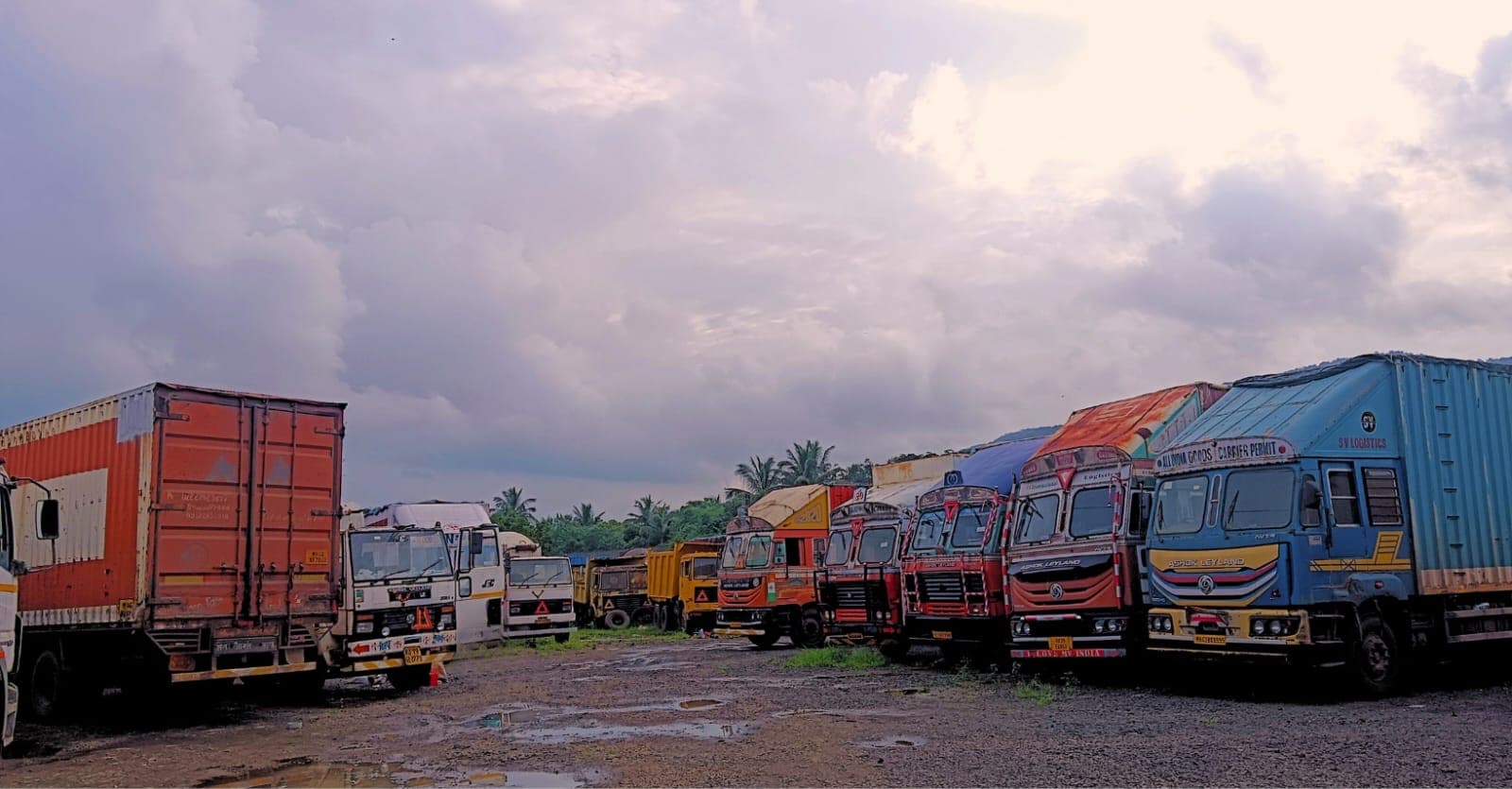
Used Container Truck Size Guide: 20 Feet vs 32 Feet vs 34 to 36 Feet
32 feet is the standard container length in the used commercial vehicle market, the most commonly available second hand option, easiest to resell, and best supported for service. A used 20-foot container truck suits tighter, city-focused routes where maneuverability matters more than volume. 34 to 36 feet is a rarer specialist configuration. Choosing between them comes down to your route type and cargo volume, not just "bigger is better."
20 Feet Used Container Truck, Compact and City-Friendly
A 20-foot container offers less volume but significantly better maneuverability in tight urban routes, narrow lanes, and frequent-stop delivery work. This size suits businesses where the constraint isn't how much you can carry in one trip, but how easily the vehicle can navigate city traffic, tight loading docks, and multiple stops in a single day.
The trade-off is straightforward: less volume per trip means more trips for the same total cargo, so this size works best when route flexibility matters more than per-trip efficiency.
32 Feet, The Standard Choice
32 feet is the most commonly available configuration in the market, which matters more than it might seem. A standard size is easier to source when buying, easier to resell later, and better supported by service networks that are built around the most common configurations. Unless your business has a specific reason to go smaller or larger, 32 feet remains the safest, most liquid choice.
This is also the size most commonly matched with single axle (SXL) configurations for courier, e-commerce, and white goods transport, see our dedicated post on why this specific combination earns well on long routes.
34 to 36 Feet, The Rare Specialist Option
34 to 36 feet exists for businesses that genuinely need the extra length, but this is a meaningfully rarer configuration. Buyers considering this size should expect a smaller pool of available used vehicles, longer sourcing time, and a smaller resale market when it's time to sell. This isn't a reason to avoid it if your business genuinely needs the capacity, but it's a real practical trade-off worth going in with clear eyes about.
How to Choose
- Frequent city stops, tight routes, maneuverability matters → 20 feet
- No specific reason to go smaller or larger, and you want the easiest buying and reselling experience → 32 feet
- Confirmed need for extra length that 32 feet cannot accommodate → 34 to 36 feet, accepting the smaller market for it
Most buyers without a specific reason to deviate should default to 32 feet, it's not just the "safe" choice, it's genuinely the most practical one for the majority of use cases in this market.
Frequently Asked Questions
What’s next from BiggWheels?
We’re lining up deep dives on financing strategies and PAN India route operations. Bookmark this space or join our WhatsApp community to get early access.
Ready to talk trucks?
Ping us on WhatsApp for paper-verified inventory, finance options, and quick handovers.