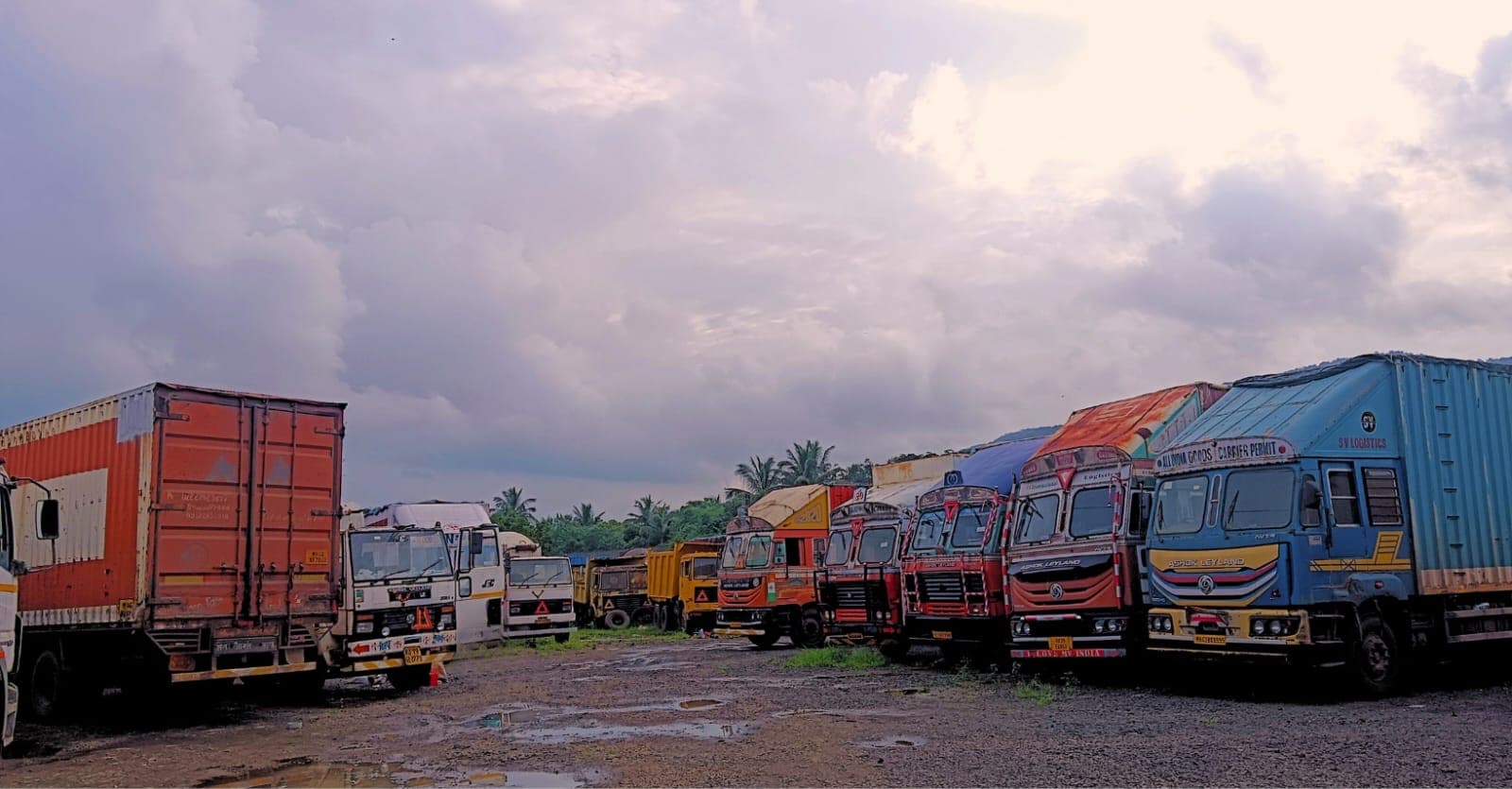
32 Feet Single Axle Container Truck: Why It's the Preferred Choice for Courier, E-Commerce & White Goods Transport
A 32 feet single axle container truck with a 6-tyre configuration is one of the most sought-after vehicles for long-route transport businesses today, driven largely by courier and parcel delivery, e-commerce logistics, and white goods transport (washing machines, refrigerators, TVs). The reason this specific configuration performs well isn't just the container size. It's the combination of a lighter, 6-tyre single axle base with a 32 feet body, which delivers better mileage and lower maintenance costs than heavier alternatives, without sacrificing the volume these businesses need.
Why a Lighter 6-Tyre Single Axle Earns Well on Long Routes
Unlike heavier multi-axle configurations, a 6-tyre single axle truck carries less unladen weight. On long routes, this translates directly into better fuel mileage, a meaningful factor when diesel cost is one of the largest recurring expenses in any transport business. The lighter build also means lower tyre wear and simpler, less frequent maintenance compared to heavier vehicles, which keeps the vehicle earning more days per month instead of sitting in a workshop.
This is why operators running long routes with volume-driven cargo rather than extremely heavy, dense loads tend to prefer this configuration over a heavier axle setup.
What Kind of Cargo Keeps This Truck Busy
Three demand segments consistently drive business for this vehicle type:
- Courier and parcel delivery: high volume, moderate weight cargo that needs enclosed, secure container space rather than raw carrying capacity.
- E-commerce logistics: similar profile with boxes and packages that need protected space and consistent long-route movement, not extreme payload.
- White goods transport: washing machines, refrigerators, and TVs are bulky but not especially heavy per unit. A 32 feet container offers the volume to carry several units per trip, which matters more here than raw tonnage.
In all three cases, the deciding factor is container volume, not maximum load weight, which is exactly what a lighter single axle with a long body is built for.
Choosing the Right Body Length: 32 Feet vs 34-36 Feet
32 feet is the standard length for this segment. It's the most commonly available configuration and the easiest to source, resell, and get serviced. 34-36 feet variants exist but are considerably rarer, and buyers looking for this size should expect a smaller pool of available vehicles and longer sourcing time. Unless a specific business need calls for the extra length, 32 feet remains the more practical and liquid choice.
Back-Body vs Side-Door Container: Which Should You Choose
Container trucks in this category typically come in a few door configurations:
- Back body (single rear door): the standard configuration, and the most in-demand. Straightforward loading and unloading, widely serviceable, and the easiest to resell later.
- Side door (one-sided): useful for specific operational needs like multi-stop delivery routes where side access saves time at each stop.
- Side door (two-sided): the least common of the three. Demand for double side-door configurations is comparatively low, and buyers should treat this as a niche choice rather than a default.
For most courier, e-commerce, and white goods operators, the standard back-body configuration remains the safer and more practical choice unless your specific route requires frequent multi-stop side access.
Height Range: 8-10 Feet
Container height in this segment typically ranges from 8 to 10 feet. A taller container increases usable volume for bulky-but-light cargo like white goods without adding significant weight, which fits the same efficiency logic driving the rest of this configuration.
Where Demand Is Strongest
Beyond courier, e-commerce, and white goods, there's a distinct regional demand pocket worth noting: the spare parts, automobile, and manufacturing supply chain in Pune and North India. This corridor consistently shows strong demand for this vehicle type, likely tied to the concentration of automotive and manufacturing activity in the region.
What This Means If You're Buying
If your business involves long-route transport of volume-driven, moderate-weight cargo (parcels, e-commerce shipments, or white goods), a 32 feet single axle container with a standard back-body configuration offers the best balance of earning potential, fuel efficiency, and maintainability. It's also the easiest configuration to resell later, given it's the standard and most commonly demanded size in this category.
Frequently Asked Questions
What’s next from BiggWheels?
We’re lining up deep dives on financing strategies and PAN India route operations. Bookmark this space or join our WhatsApp community to get early access.
Ready to talk trucks?
Ping us on WhatsApp for paper-verified inventory, finance options, and quick handovers.